
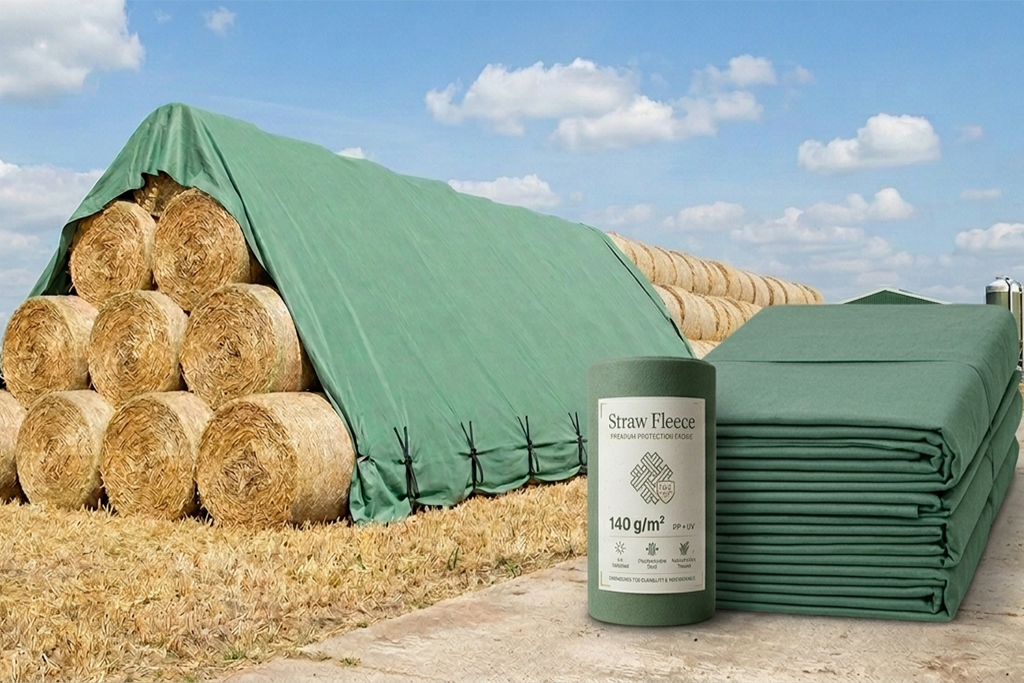
What Is Straw Bale Protection Fleece? A Complete Guide for Buyers
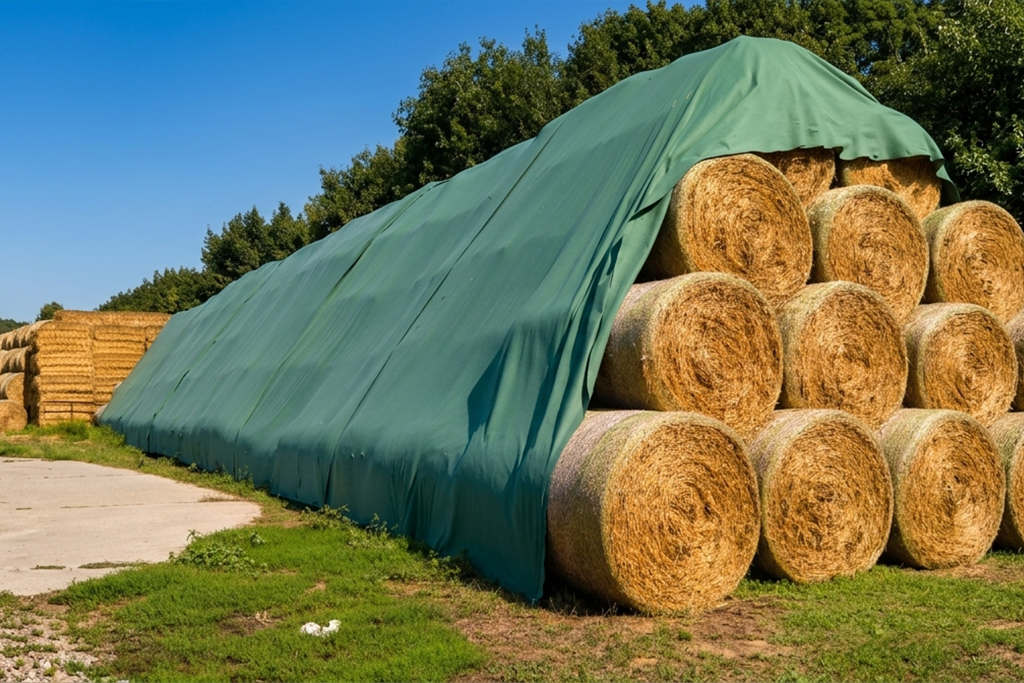
Straw bale protection fleece is a breathable agricultural covering designed to protect outdoor-stored straw and hay bales from rain, wind, sunlight, and changing weather conditions. Made from polypropylene (PP) fibres, this specialized covering combines water repellency with moisture-vapor permeability, helping maintain better storage conditions for agricultural materials.
For farmers, hay producers, agricultural distributors, and importers, choosing the right straw bale protection fleece involves more than selecting a cover. Grammage, dimensions, UV stabilization, seam construction, fixing accessories, and packaging can all influence product performance and purchasing decisions.
This guide explains how straw protection fleece works, its main benefits, how it compares with conventional tarpaulins, and what buyers should consider when sourcing straw bale cover fleece for agricultural applications.
What Is Straw Bale Protection Fleece?
Straw bale protection fleece, also known as straw protection fleece, straw bale cover fleece, or hay bale protection fleece, is a specialized agricultural textile used primarily for outdoor storage of straw and hay bales.
It is commonly manufactured from polypropylene fibres with UV additives to improve resistance to outdoor sunlight. Depending on the product design, the material may also receive shaping and water-repellent treatments to support its intended use.
Unlike an ordinary plastic sheet, breathable straw fleece is designed to allow moisture vapor to escape while helping rainwater run off the surface. This balance is important when covering agricultural materials that need protection from weather exposure without trapping excessive moisture underneath the cover.
Straw bale protection fleece can be used for different bale arrangements, including round bales, square bales, and stacked hay or straw, provided the cover dimensions and installation method are suitable.
For bulk buyers, the product is available in different grammages, standard dimensions, colors, stitching options, and packaging formats. Customized specifications can also be discussed with a manufacturer.
How Does Straw Protection Fleece Work?
The main function of straw protection fleece is to provide a protective layer over stored bales while supporting moisture management.
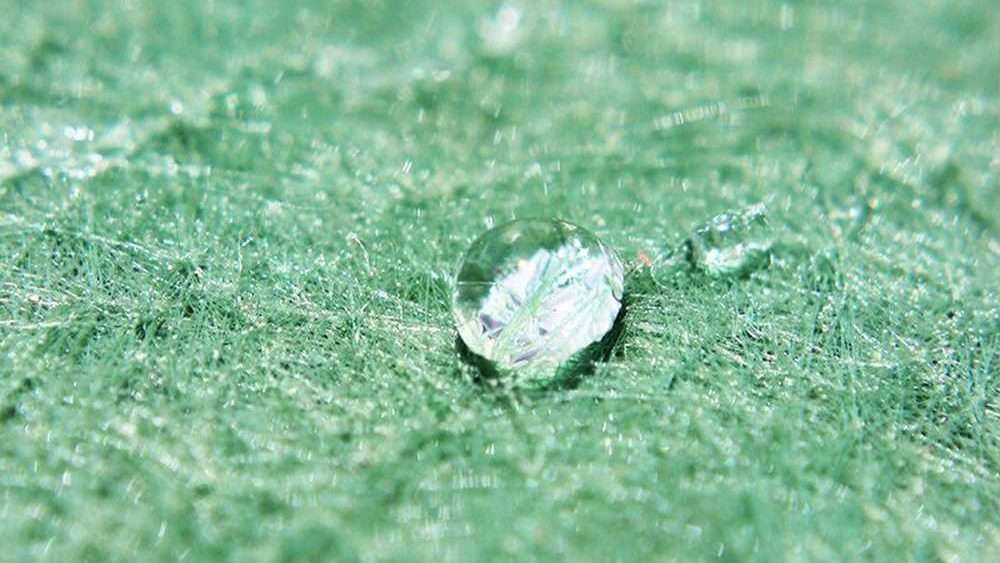
1. Water-Repellent Surface
A water-repellent surface helps rainwater run off the cover instead of readily soaking through it. Correct installation, suitable fabric specifications, and an appropriately shaped bale stack are important for effective performance.
Straw fleece should not automatically be treated as a completely waterproof membrane. Its actual water-repellent performance depends on the fabric construction, surface treatment, seams, installation, and exposure to weather.
2. Breathable and Moisture-Permeable Structure
Moisture management is one of the key differences between breathable straw bale fleece and many conventional impermeable covers.
Moisture vapor can escape through a breathable structure, helping reduce condensation-related risks when the hay or straw is sufficiently dry before covering. However, no covering can compensate for storing excessively wet bales or installing the cover incorrectly.
3. UV-Stabilized Polypropylene Material
Polypropylene fleece containing UV additives is designed for outdoor agricultural applications. UV stabilization helps the material withstand sunlight exposure, although actual service life varies according to UV intensity, weather conditions, handling, and product specifications.
For buyers comparing different straw bale protection fleece products, it is important to review the manufacturer’s technical information rather than assume all fleece materials offer the same outdoor durability.
What Are the Main Benefits of Straw Bale Protection Fleece?
Helps Protect Hay and Straw from Weather Exposure
Outdoor bales can be exposed to rain, wind, sunlight, and seasonal weather changes. A properly selected straw bale cover fleece helps protect the stored material from these conditions and supports better storage management.
Helps Manage Condensation
Because breathable fleece allows moisture vapor to escape, it can help reduce condensation-related deterioration compared with unsuitable impermeable covers. The result still depends on bale moisture content, ventilation, stacking, and installation.
Supports Outdoor Bale Storage
A suitable straw protection fleece can make outdoor bale storage more practical where covered indoor storage space is limited. Farms and agricultural businesses can evaluate whether outdoor storage fits their handling, quality, and weather-management requirements.
Offers Flexible Sizing Options
Different farms and distributors have different storage layouts. Standard and customized dimensions allow buyers to select a cover that suits their bale stacks and installation requirements.
Suitable for Bulk Agricultural Supply
For agricultural wholesalers and importers, straw fleece can be specified by grammage, dimensions, color, stitching method, accessories, and packaging. These options make it easier to align product specifications with local market requirements.
Straw Bale Protection Fleece vs. Tarpaulin
Straw bale protection fleece and conventional tarpaulins are both used for covering stored materials, but their material characteristics and intended functions differ.
| Feature | Straw Bale Protection Fleece | Conventional Tarpaulin |
|---|---|---|
| Typical material | Polypropylene fleece | Plastic-coated or woven materials, depending on type |
| Moisture management | Designed to allow moisture vapor to escape | Many types restrict moisture vapor transmission |
| Water protection | Water-repellent, depending on specification | Often designed for strong water resistance |
| Condensation management | Breathability can help reduce condensation-related risks | Moisture may accumulate underneath if ventilation is inadequate |
| Outdoor bale storage | Designed for agricultural bale protection | Suitability depends on material, installation, and ventilation |
| Size options | Standard and customized dimensions | Available in different sizes and constructions |
| Fixing requirements | Requires suitable fastening and installation | Requires suitable fastening and installation |
Which should you choose?
For outdoor storage of hay and straw bales, breathable straw bale protection fleece is worth considering when moisture-vapor release is an important requirement. A tarpaulin may be appropriate for other covering needs, but its suitability depends on the material and storage conditions.
The best choice should be based on the stored material, local climate, bale arrangement, expected exposure, and the cover’s verified technical properties.
How to Choose the Right Straw Bale Protection Fleece
Before purchasing straw fleece, buyers should compare the product’s technical specifications with their actual storage requirements.
1. Compare Grammage
Grammage, measured in grams per square meter (g/m²), indicates the mass of fabric per unit area. It is one factor affecting material construction and handling characteristics, but a higher grammage alone does not guarantee better performance in every application.
Available options for this product range include 100, 140, 150, and 160 g/m², with 140 g/m² as the standard specification. Additional weights should be confirmed with the manufacturer before ordering.
2. Select Suitable Dimensions
The cover should match the size and arrangement of the bale stack, allowing sufficient coverage and suitable fastening. Standard sizes can simplify purchasing, while custom dimensions may be useful for particular storage layouts.
Common standard sizes include:
- 6 × 12.5 m
- 9.8 × 12.5 m
- 9.8 × 25 m
- 10.4 × 12.5 m
- 10.4 × 25 m
- 12 × 25 m
- 15.6 × 25 m
Always confirm the final dimensions and available specifications before placing a bulk order.
3. Check UV Stabilization and Water Repellency
Ask the supplier about the material composition, UV additives, water-repellent treatment, and available performance information. These details are more useful than relying on general claims such as “weatherproof” without supporting specifications.
4. Review Stitching and Fixing Accessories
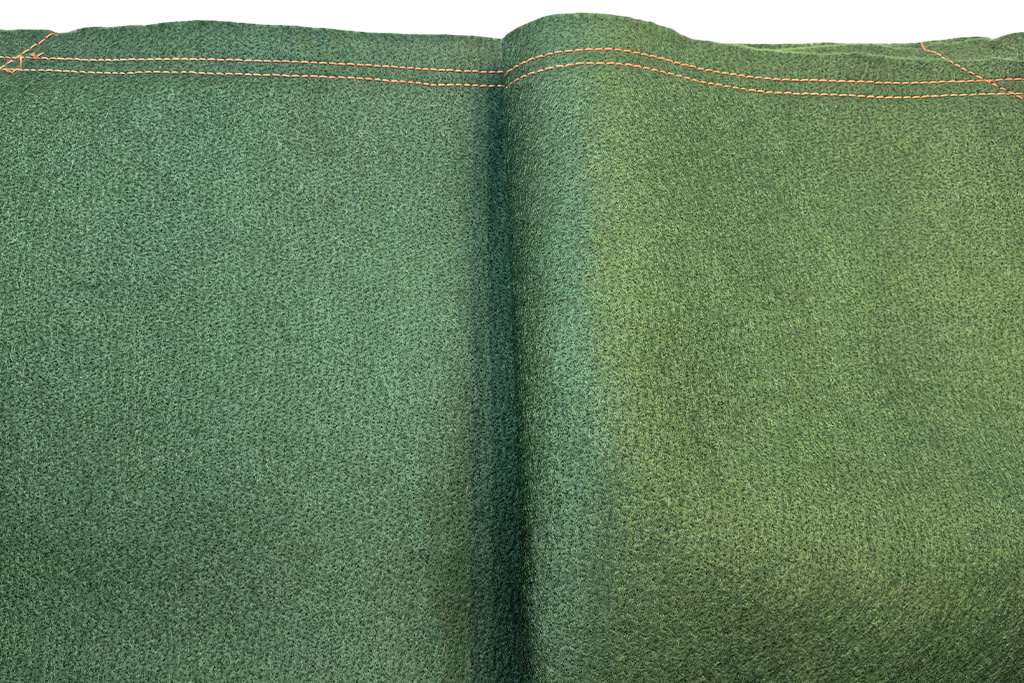
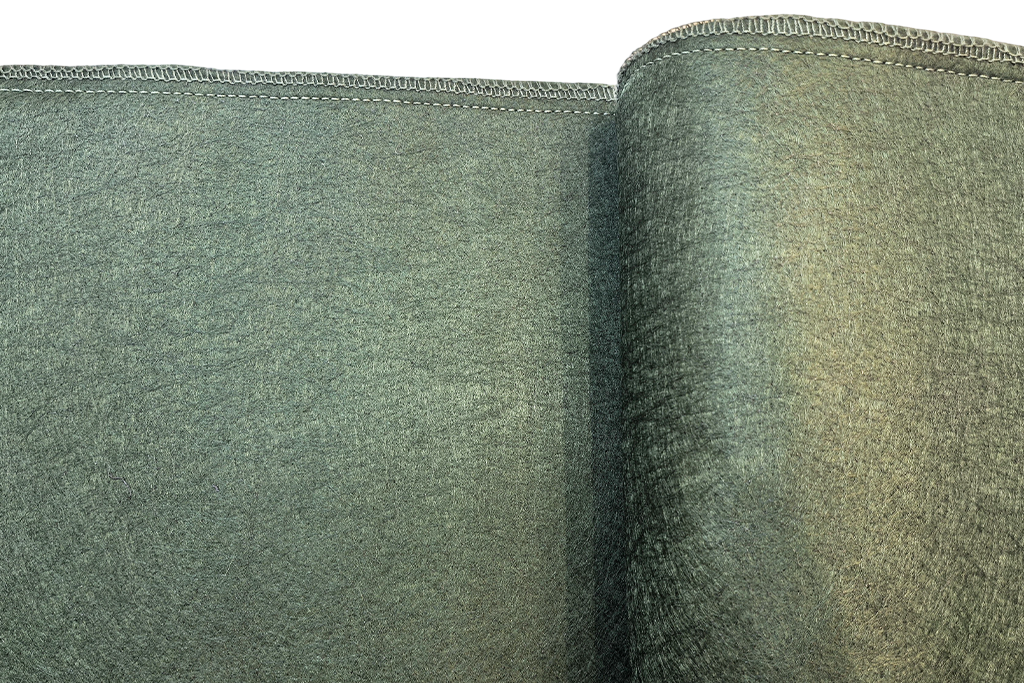
Edge finishing and seam construction affect handling and installation. Overlock seams can help secure the edges, while double-needle straight stitching uses two parallel stitch lines to provide additional seam reinforcement.
Depending on the cover design and storage conditions, optional accessories may include double-sided hook-and-loop fasteners and ground fixing nails with washers. The fixing method should be suitable for the cover dimensions, ground conditions, and expected wind exposure.
Straw Bale Protection Fleece: Specification Guide
| Specification | Available options or details |
|---|---|
| Material | Polypropylene (PP) filament with UV additives |
| Standard grammage | 140 g/m² |
| Other grammages | 100, 150, and 160 g/m²; confirm additional options |
| Standard dimensions | 6 × 12.5 m, 9.8 × 12.5 m, 9.8 × 25 m, 10.4 × 12.5 m, 10.4 × 25 m, 12 × 25 m, 15.6 × 25 m |
| Colors | Green, white, black, or customized |
| Treatment | Shaping and water-repellent treatment |
| Stitching | Overlock seam or double-needle straight stitch |
| Fixing accessories | Hook-and-loop fasteners and ground fixing nails |
| Packaging | Roll-packed cartons, folded cartons, or bulk woven bags |
| Wholesale MOQ | 1 metric ton |
Final availability depends on the confirmed product specification and order requirements.
What Should Wholesale Buyers Look for in a Straw Fleece Manufacturer?
Agricultural distributors, importers, and private-label buyers should evaluate both product specifications and the supplier’s ability to support repeat orders.
Important purchasing considerations include:
- Consistent specifications: Confirm grammage, dimensions, material, and stitching requirements.
- Customization capability: Check whether the manufacturer can accommodate required colors, sizes, and product configurations.
- Packaging options: Determine whether rolls, folded cartons, or bulk woven bags suit your warehousing and distribution needs.
- Private-label support: Ask about customized brand labels and packaging artwork.
- Order quantity and lead time: Confirm the minimum order quantity, production schedule, and shipment arrangements.
- Technical communication: Request relevant product information and clarify any performance requirements before production.
For wholesale orders, providing complete specifications at the quotation stage helps reduce misunderstandings and supports more accurate pricing and shipment planning.
Frequently Asked Questions About Straw Bale Protection Fleece
What is straw bale protection fleece used for?
Straw bale protection fleece is primarily used to cover straw and hay bales stored outdoors. Its breathable, water-repellent structure helps protect the bales from weather exposure while allowing moisture vapor to escape.
Is straw protection fleece waterproof?
Straw protection fleece is generally designed to repel water rather than function as a completely impermeable waterproof membrane. Performance depends on fabric specifications, seams, installation, and weather conditions.
What is the difference between straw fleece and hay fleece?
The terms straw fleece and hay fleece are often used for similar agricultural covering materials designed to protect straw or hay bales during outdoor storage. Buyers should compare the actual material, grammage, dimensions, and technical specifications rather than relying on the product name alone.
What grammage is best for straw bale protection fleece?
The appropriate grammage depends on the intended application, handling requirements, and product construction. A 140 g/m² specification is a common option, but buyers should compare available technical information before selecting a weight.
Can straw bale protection fleece be customized?
Yes. Depending on production feasibility, customization may include grammage, dimensions, colors, stitching methods, fixing accessories, brand labels, and packaging.
What is the minimum order quantity for wholesale straw fleece?
The stated minimum order quantity for this product is 1 metric ton. Buyers should confirm the final order specifications, production schedule, and packaging requirements when requesting a quotation.
How can I buy straw bale protection fleece in bulk?
Contact a manufacturer with your required grammage, dimensions, color, quantity, packaging preferences, and destination country. These details help the supplier assess availability and prepare a suitable quotation.
Conclusion
Straw bale protection fleece is a specialized agricultural covering designed to help protect hay and straw bales during outdoor storage. Its combination of polypropylene construction, water repellency, breathability, and UV stabilization makes it an option worth considering for agricultural businesses that need practical bale protection.
Choosing the right straw protection fleece requires attention to grammage, dimensions, stitching, fixing accessories, and storage conditions. Wholesale buyers should also evaluate customization, packaging, minimum order quantity, and production requirements before placing an order.
For farms, agricultural distributors, and importers, matching the product specification to the intended application is the most reliable starting point.
Looking for a Straw Bale Protection Fleece Manufacturer?
Explore our Straw Bale Protection Fleece product page for available specifications, customization options, and wholesale supply. Contact our team with your required grammage, dimensions, order quantity, and packaging preferences to request a quotation.


