

Biodegradable Bale Net Wrap 2026: XinHui Launches New PBAT 2 Inch Round Bale Net Wrap
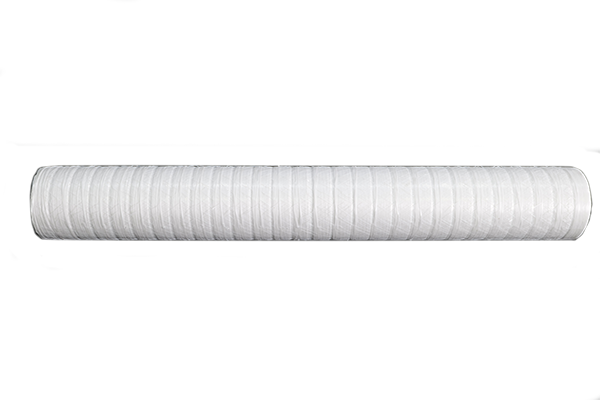
XinHui Bale Net Wrap is proud to introduce our latest sustainable innovation — the PBAT biodegradable bale net wrap. Unlike traditional HDPE net wrapper, this new generation of round bale net wrap and bale netting wrap is designed to fully biodegrade after use while maintaining excellent mechanical performance.
This article provides a comprehensive overview of the new PBAT material, its degradation mechanism, detailed technical specifications, and how it compares with conventional HDPE and TamaCycle recycled net wrap.
What is PBAT and Why Is It Ideal for Bale Net Wrap?
PBAT (Polybutylene Adipate Terephthalate) is a fully biodegradable aliphatic-aromatic copolyester synthesized from 1,4-butanediol (BDO), adipic acid (AA), and terephthalic acid (PTA). It combines the flexibility of aliphatic polyesters with the strength and processability of aromatic polyesters, making it one of the best materials for agricultural films and nets.
Key advantages of PBAT bale net wrap:
- Excellent biodegradability in soil, industrial compost, and home compost environments
- High tensile strength and elongation (comparable to premium HDPE)
- Good UV resistance during its service life (≥10months)
- Produced using proprietary catalyst and German-imported polymerization equipment

PBAT Degradation Mechanism – How It Actually Breaks Down
PBAT degrades through a two-step biological process:
- Hydrolysis (Enzyme-driven chain scission)
Microorganisms in soil or compost secrete esterases and lipases that attack the ester bonds in the PBAT molecular chain. This breaks long polymer chains into smaller oligomers and monomers (adipic acid, terephthalic acid, and butanediol). - Microbial assimilation & mineralization
These smaller molecules are absorbed by bacteria and fungi, then metabolized into carbon dioxide (CO₂), water (H₂O), and biomass. Under optimal industrial composting conditions (58°C, high humidity, high microbial activity), PBAT can achieve >90% biodegradation within 180 days (EN 13432 standard).
Real degradation data (third-party lab results):
- Industrial compost (58°C): 92% biodegradation in 120–180 days
- Soil burial (25°C): 65–75% biodegradation in 12 months
- Home compost (28–35°C): 80–85% biodegradation in 360 days
This is fundamentally different from traditional HDPE or TamaCycle recycled net wrap, which do not biodegrade and remain in the environment for hundreds of years.


Production Process – German Precision Meets Sustainable Innovation
Our PBAT biodegradable bale net wrap is manufactured through:
- Stepwise esterification of BDO, AA, and PTA
- Two-stage polycondensation under vacuum
- Proprietary high-efficiency catalyst system
This process results in superior molecular weight control and mechanical consistency, giving the net wrap excellent tear resistance and wrapping performance while remaining fully biodegradable.
How Does XinHui PBAT Compare with TamaCycle and Traditional HDPE?
| Feature | XinHui PBAT Biodegradable | TamaCycle (Recycled HDPE) | Traditional HDPE Net Wrap |
|---|---|---|---|
| Material type | Fully biodegradable PBAT | Recycled HDPE | Virgin HDPE |
| Biodegradation | Yes (soil & compost) | No | No |
| End-of-life | Natural breakdown | Requires recycling | Persistent plastic |
| Tensile strength | Excellent | Good | Good |
| Environmental impact | Very low | Medium | High |
| Cost position | Premium sustainable | Mid-range | Lowest |
While TamaCycle focuses on reducing virgin plastic use through recycling, our PBAT solution offers true end-of-life biodegradation, eliminating long-term microplastic pollution in farmland.
Real-World Benefits for Farmers
- Reduces plastic accumulation in soil
- Meets growing demand for sustainable farming practices
- Maintains high baling efficiency (comparable to premium HDPE)
- Suitable for both round and square balers
Ready to Go Green with Bale Net Wrap?
If you are looking for a truly biodegradable round bale net wrap or bale netting wrap solution that does not compromise on strength and performance, XinHui’s new PBAT series is ready for your 2026 season.
Request free samples or technical datasheet today:
- Email: sale1@xinhuibalenetwrap.com
XinHui Bale Net Wrap – Sustainable Innovation You Can Trust
What is PBAT and how does it biodegrade?
PBAT is a fully biodegradable copolyester made from BDO, AA, and PTA. It degrades through enzyme-driven hydrolysis followed by microbial assimilation into CO₂, water, and biomass. Under industrial composting conditions it achieves >90% biodegradation within 180 days (EN 13432 standard).
How does PBAT bale net wrap compare with TamaCycle and traditional HDPE?
Unlike TamaCycle (recycled HDPE) and traditional HDPE, PBAT fully biodegrades in soil and compost. It offers comparable mechanical strength while eliminating long-term plastic pollution in farmland.
Is PBAT biodegradable bale net wrap suitable for commercial farming?
Yes. It maintains high tensile strength and wrapping performance while being certified to multiple international biodegradation standards. It is ideal for farmers seeking sustainable solutions without sacrificing productivity.


